


A sentence can be translated correctly and still feel completely wrong.
The grammar may be accurate. Every word may technically mean what it should. Yet the message can sound unnatural, overly formal, culturally disconnected, or even confusing to the people it is meant to reach.
That happens because translation and localization are not the same thing.
Translation changes content from one language into another.
Content localization adapts the message so it feels relevant, natural, and appropriate for a specific market.
For businesses expanding into new countries or communicating with multilingual audiences, that difference can determine whether content creates trust—or feels like it was written for someone else.
Key Takeaways
- Translation changes words; localization adapts meaning, tone, and culture.
- Visuals, CTAs, and social behaviour also need market-specific review.
- Build localize → review → approve into the workflow before publishing.
- AI speeds drafts; local expertise and structure keep content relevant.
What Is the Difference Between Translation and Localization?
Translation focuses mainly on language.
It asks: What do these words mean in another language?
Localization considers the complete communication experience.
It asks:
- How would people in this market naturally express the idea?
- Is the tone appropriate?
- Are the examples culturally relevant?
- Does the visual make sense?
- Is the call to action suitable?
- Is this the right platform and publishing time?
- Does the message respect local expectations?
A translated campaign may be understandable.
A localized campaign should feel as though it was created with that audience in mind.
Why Direct Translation Often Fails
1. Tone Does Not Transfer Word for Word
A casual phrase in English may sound awkward or disrespectful when translated directly into another language.
The same is true in reverse. A professional Arabic message may require more warmth, respect, or context than a short English version.
Tone can also change depending on the audience.
Content written for a young consumer audience should not sound the same as content intended for senior executives, government leaders, or enterprise buyers.
Good localization preserves the purpose of the message rather than copying its exact structure.
2. Cultural References May Not Travel
Humour, idioms, sports references, holidays, and popular expressions are often specific to one culture.
A phrase that feels clever in one market may mean nothing in another.
Even trending topics can differ significantly between regions. A conversation receiving attention in Canada may have little relevance in Saudi Arabia, the UAE, France, or another market.
Effective content marketing strategies therefore require local awareness.
The question is not only: Is this topic popular?
It is: Is this topic relevant and appropriate for this audience?
3. The Same Call to Action May Not Work Everywhere
Calls to action are influenced by how people make decisions.
One market may respond well to:
- Buy now
- Start your free trial
- Sign up instantly
Another audience may expect: Request more information, Speak with an advisor, Schedule a consultation, or Learn about the solution.
Localization should consider the relationship between the customer and the business.
A direct sales message may work well in one market but feel too aggressive in another.
4. Visuals Also Need Localization
Localization is not limited to written content.
Images, colours, clothing, gestures, symbols, and layouts can all carry cultural meaning.
A visual created for one country may:
- Represent the wrong environment
- Use unfamiliar imagery
- Include unsuitable clothing
- Display text in the wrong direction
- Use symbols with different meanings
- Fail to represent the intended audience
The same caution applies to AI images.
An AI image creator can produce visuals quickly, but the output still requires human review. The image should be checked for cultural relevance, accuracy, brand consistency, and suitability for the target market.
Speed should not replace judgment.
Localization Is More Than Replacing a Few Words
Good localization may require changes beyond vocabulary.
It may require changes to:
- The headline
- Opening sentence
- Examples
- Tone
- Visuals
- Currency
- Date format
- Units of measurement
- Calls to action
- Hashtags
- Platform selection
- Publishing schedule
- Legal or regulatory wording
Sometimes the localized version will look very different from the original.
That does not mean the translation failed.
It may mean the message was properly adapted.
How to Create Content for Different Markets
Understand the Audience First
Before translating anything, define who the audience is, what matters to them, what language or dialect they use, how formal the message should be, which platforms they use, and what action the business wants them to take.
The clearer the audience profile, the stronger the localized content will be.
Protect the Main Message
Localization should adapt the delivery without changing the core meaning.
The team should identify what must remain consistent, such as:
- Brand values
- Product information
- Key claims
- Campaign objectives
- Approved terminology
- Legal requirements
The language and presentation can then be adjusted around those fixed points.
Use Local Reviewers
A fluent speaker is valuable, but language fluency alone may not be enough.
The reviewer should also understand:
- The market
- The industry
- The audience
- The brand
- The purpose of the content
This is especially important for executive, technical, government, financial, healthcare, or regulated communications.
Build Localization into the Workflow
Localization should not be treated as a final task completed just before publication.
This ensures the localized version receives proper review rather than being published automatically because the original language version was approved.
For teams using several productivity tools, each market version can easily become separated from its original draft, feedback, visuals, and approval history.
A connected workflow keeps each version organized while preserving the relationship between them.
A Localization-Ready Workflow
Plan → Create → Localize → Review → Approve → Schedule → Publish
Can AI Help with Localization?
AI can support the process, but it should not be treated as the final cultural authority.
AI can support the process by:
- Producing an initial translation
- Suggesting alternative wording
- Adjusting formality
- Creating different versions
- Summarizing cultural guidance
- Supporting multilingual drafts
It may produce language that is grammatically correct but unnatural. It may overlook regional preferences or introduce wording that does not match the brand.
Human review remains essential.
How Alayrix and Flowence Support the Process
Alayrix positions localized translation as part of a wider content workflow that includes research, creation, expert review, approval, and publishing. This reflects an important principle: localization should be connected to strategy and quality control rather than treated as a simple language conversion.
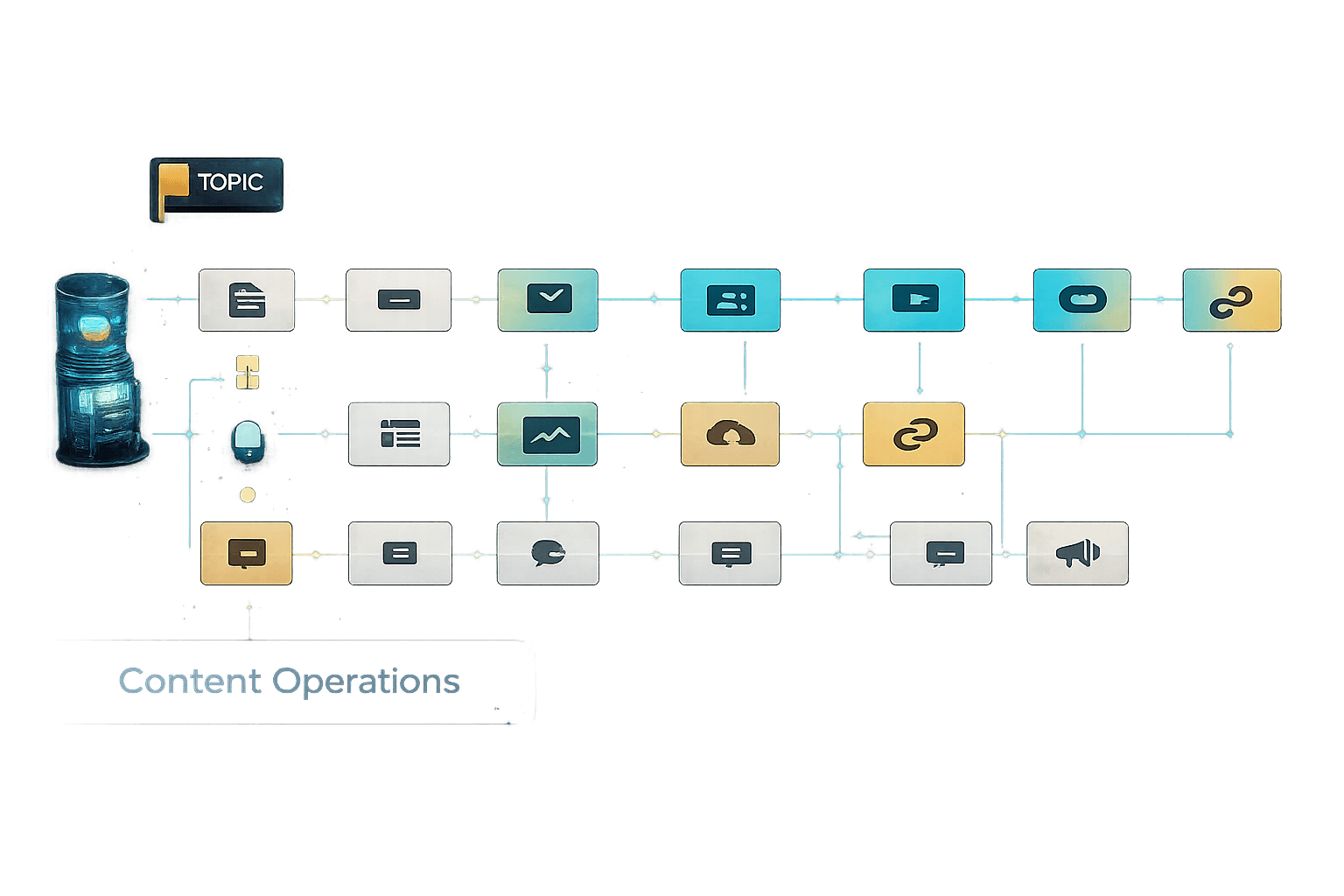
Flowence, Alayrix’s flagship content operations platform, is positioned to support multilingual and international content operations by connecting creation, collaboration, approvals, scheduling, and publishing in one structured system.
In practice, a structured platform can help teams:
- Organize content for different markets
- Assign localization responsibilities
- Keep language versions connected
- Review each localized version
- Collect regional or client approval
- Maintain separate publishing schedules
- Track what has been approved and published
This is especially valuable for agencies and organizations managing content across English-, Arabic-, and other language markets.
How Alayrix and Flowence Support the Process
Organize by Market
Keep language versions connected to the original draft and strategy.
Assign & Review
Give localization and regional reviewers clear ownership.
Approve Versions
Collect regional or client approval for each localized piece.
Schedule Separately
Maintain market-specific calendars and publishing status.
Final Thoughts
Translation helps an audience understand the words.
Localization helps them connect with the message.
Businesses entering new markets should not assume that successful content can simply be translated and published unchanged. Tone, culture, visuals, platforms, timing, and audience expectations all influence how the message will be received.
The goal is not to make every market communication identical.
It is to keep the brand consistent while making the content locally meaningful.
That is how businesses move from speaking another language to genuinely communicating with another audience.


5. Social Media Behaviour Differs by Market
A company should not assume that the same content will perform equally well on every social media platform or in every country.
Markets may differ in:
A business may need to adapt a LinkedIn article into a shorter post, an infographic, or a video for another platform.
When teams schedule posts on multiple platforms, localization should happen before publishing—not after the content has already been copied everywhere.
A basic social media scheduler may help select dates and times. It does not automatically determine whether the content is culturally suitable for every audience.