
A content agency can create a brilliant post in one afternoon and still spend the next two weeks waiting for approval.
The copy may be ready. The visual may be complete. The publishing date may already be on the calendar.
But the client has not responded.
Or perhaps they responded through email, then sent another comment through a messaging app. Someone else from the client’s team approved an older version, while the agency manager is still waiting for confirmation on the latest one.
This is how a simple approval turns into a bottleneck.
For agencies managing multiple clients, approval is not a small administrative task. It is a critical part of content delivery. A professional client approval portal gives agencies a structured way to manage that process without relying on scattered messages, attachments, and repeated follow-ups.
Key Takeaways
- Scattered feedback across email and chat creates costly approval bottlenecks.
- A client approval portal keeps comments, versions, and decisions in one place.
- Connecting approval to social post scheduling reduces publish errors.
- Flowence gives clients visibility without disrupting the agency’s internal work.
What Is a Client Approval Portal?
A client approval portal is a dedicated digital workspace where clients can review content, provide feedback, request revisions, and approve material before it is published.
Instead of sending posts through several channels, the agency gives the client one place to:
- Preview content
- Review copy and media
- Leave comments
- Request changes
- Approve or reject a post
- View upcoming publishing dates
- Track progress
A good portal also keeps the client’s content separate from other accounts, protecting privacy and preventing confusion.
For the agency, it creates a clear record of what was submitted, what feedback was received, and what was approved.
Why Traditional Approval Methods Break Down
Email works well for communication, but it was not designed to manage a content workflow.
The same is true for messaging applications and shared documents. They may support individual conversations, but they often create problems when several people, posts, versions, and deadlines are involved.
Common issues include:
- Feedback arriving through different channels
- Clients commenting on outdated versions
- Approval decisions becoming difficult to confirm
- Attachments being lost in long email threads
- Agency teams manually copying feedback between tools
- Posts remaining unpublished because nobody knows their status
- Managers repeatedly asking clients for updates
The problem becomes more serious as the agency grows.
One informal approval process may be manageable. Twenty clients using different communication methods can create significant administrative work.
Adding more productivity tools does not necessarily fix this. Unless the tools are connected, the team may simply gain another platform to monitor.
1. A Portal Keeps Feedback Connected to the Right Content
Client feedback is valuable only when the team can clearly understand and apply it.
Imagine a client sends one revision by email, another through a voice note, and a third as a comment inside a document. The creator must combine all three responses and determine which one is final.
A client approval portal keeps feedback attached to the correct content item.
The agency can see:
- The current draft
- The related visual
- The client’s comments
- Requested changes
- The latest version
- The final approval status
This reduces misunderstandings and makes it easier for creators to complete revisions correctly.
2. It Creates One Clear Version of the Truth
Content agencies frequently manage several versions of the same post.
A draft may be revised internally, sent to the client, updated again, and then adapted for different social media platforms.
Without a structured process, people can easily work from the wrong file.
A professional portal creates one central record for the content.
Everyone can see which version is current and whether it has been:
- Submitted
- Reviewed
- Returned for changes
- Resubmitted
- Approved
- Scheduled
- Published
This visibility is especially useful when employees work remotely or when multiple creators and managers support the same client.
3. It Reduces Approval Delays
Agencies often lose valuable time because clients do not know exactly what they need to do.
An email may contain several attachments, questions, and requests. The approval action becomes unclear, so the client postpones the response.
A well-designed portal simplifies the decision.
The client can review the content and choose a clear action: Approve, reject, or request revisions.
That clarity reduces unnecessary communication.
It also allows agency managers to see which posts are still waiting for client action, rather than manually checking old messages.
Flowence Teams is designed around structured review, dedicated client access, feedback, approvals, and real-time workflow visibility. This brings clients into the process without exposing or disrupting the agency’s internal operations.
4. It Improves the Client Experience
Clients do not only judge an agency by the quality of its content.
They also judge how easy the agency is to work with.
A professional portal gives clients a more organized experience. They can log in, see what is planned, review pending work, and understand what has already been completed.
This creates confidence because the client no longer needs to ask:
- What are you working on?
- Which posts are awaiting approval?
- What is being published this week?
- Did you receive my comments?
- Has the revised version been uploaded?
Better visibility can strengthen trust and make the agency appear more capable of handling larger and more complex accounts.
5. It Connects Approval to Social Media Scheduling
Approval should not exist as a separate process from publishing.
Once a post is approved, the agency still needs to transfer the final copy and media into a social media scheduler, select the correct account, and choose a publishing time.
When these activities happen across separate systems, someone may accidentally schedule an older draft or use an unapproved visual.
A connected workflow brings approval and social post scheduling closer together.
When scheduling social media posts, the team should immediately be able to confirm:
- The content has final approval
- The correct media is attached
- The intended platform is selected
- The publishing date is confirmed
- Any platform-specific version is ready
This becomes particularly valuable when agencies need to schedule posts on multiple platforms for several clients.
6. It Protects the Agency and the Client
Clear approval records provide accountability.
When content contains an important claim, offer, announcement, or executive statement, the agency should be able to confirm that an authorized person approved it before publication.
A structured portal can help preserve:
- The submitted version
- Client feedback
- Requested revisions
- Final approval
- Approval timing
- Publishing status
This does not replace a legal or compliance process where one is required, but it gives the agency a much clearer operational record than an informal message saying, “Looks good.”
7. It Helps Agencies Scale
As an agency gains clients, the approval process must become easier to repeat.
Without a portal, every new account may introduce another communication style:
- One client prefers email.
- Another sends voice notes.
- Another comments in documents.
- Another gives approval during meetings.
- Another involves five different reviewers.
This approach does not scale efficiently.
A shared approval system allows the agency to establish a professional standard while still adapting the creative work to each client.
This reduces the administrative work associated with every additional client.
A Scalable Approval Workflow
Create → Internal Review → Client Review → Revise → Approve → Schedule → Publish
What Should a Professional Client Approval Portal Include?
Agencies should look for more than a place where clients can leave comments.
A useful portal should support:
- Dedicated client workspaces
- Content previews
- Copy and media review
- Clear approval actions
- Revision requests
- Visible content status
- Publishing calendar access
- Role-based permissions
- Central content history
- Connection with the wider content workflow
The portal should be simple for the client while giving the agency enough structure and control behind the scenes.
What a Strong Portal Should Include
Client Workspaces
Give each client a dedicated space for previews, feedback, and status.
Clear Actions
Make approve, reject, or request revisions a simple decision.
Version Truth
Keep one current record of drafts, comments, and final approval.
Scheduling Link
Move approved posts into social post scheduling with confidence.
How Flowence Supports Client Approvals
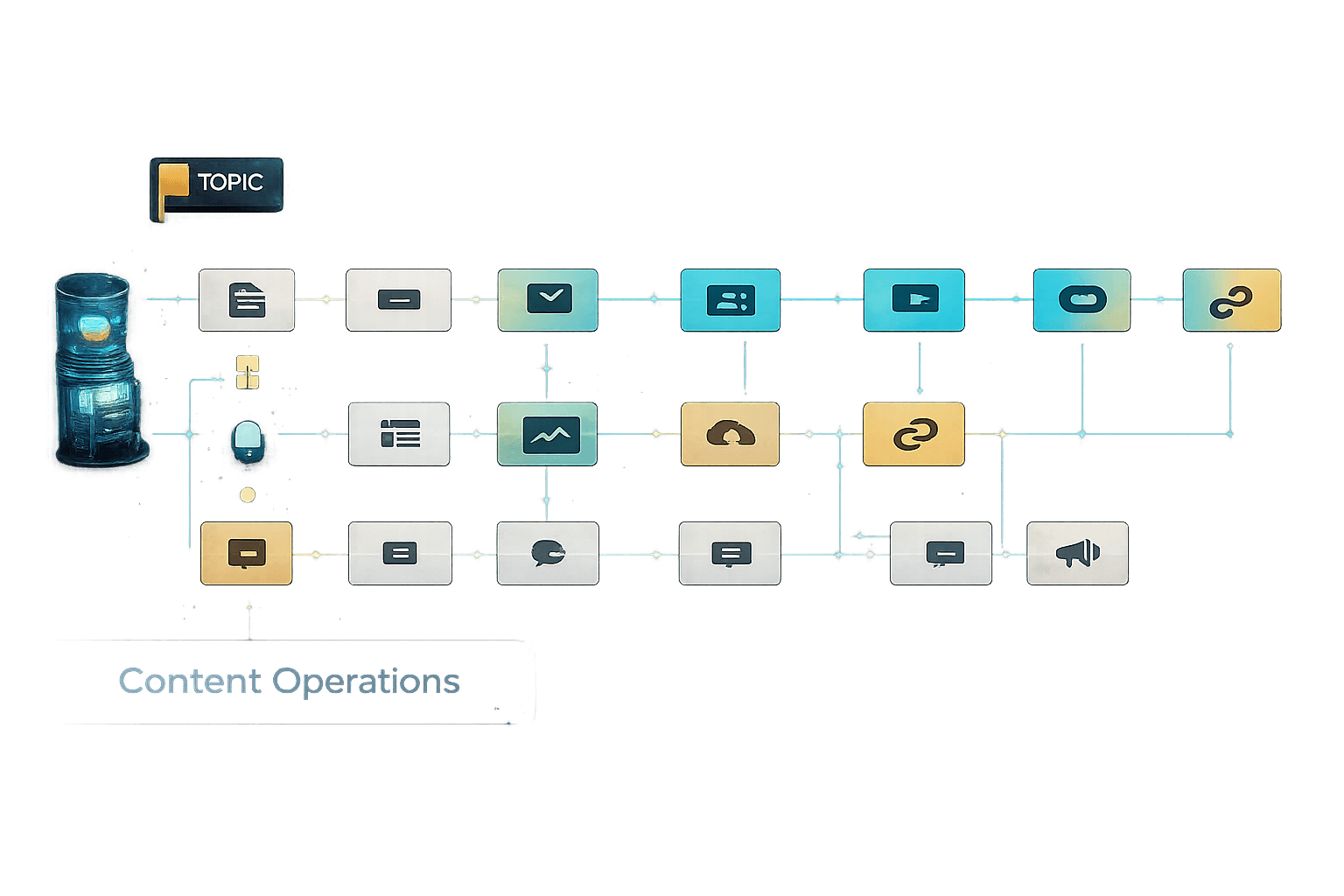
Flowence is Alayrix’s AI-powered content operations platform. It connects content planning, task assignment, creation, internal review, client approval, scheduling, and publishing through one structured environment.
For agencies, the Flowence client portal is designed to allow clients to:
- Access their own workspace
- View planned and completed content
- Preview posts
- Provide feedback
- Approve or return content for revision
- View publishing schedules
- Track relevant progress
This allows the agency’s creators and managers to maintain their internal workflow while giving clients the visibility they need.
Flowence therefore goes beyond functioning only as a social media scheduler. It connects the client’s approval decision to the broader content journey—from planning and creation to scheduling and publication.
Final Thoughts
Client approval should not be the stage where good content loses momentum.
When feedback and decisions are spread across emails, messages, meetings, and documents, agencies spend valuable time managing communication instead of delivering strategy and creative work.
A professional client approval portal creates one clear place for content, feedback, revisions, decisions, and status.
It helps agencies reduce delays, improve transparency, protect approved versions, and move content into the publishing schedule with greater confidence.
Most importantly, it creates a more scalable way to serve clients.
For a growing content agency, a client approval portal is not merely a convenient feature. It is part of the operational foundation required to manage more clients while maintaining quality, control, and a professional customer experience.